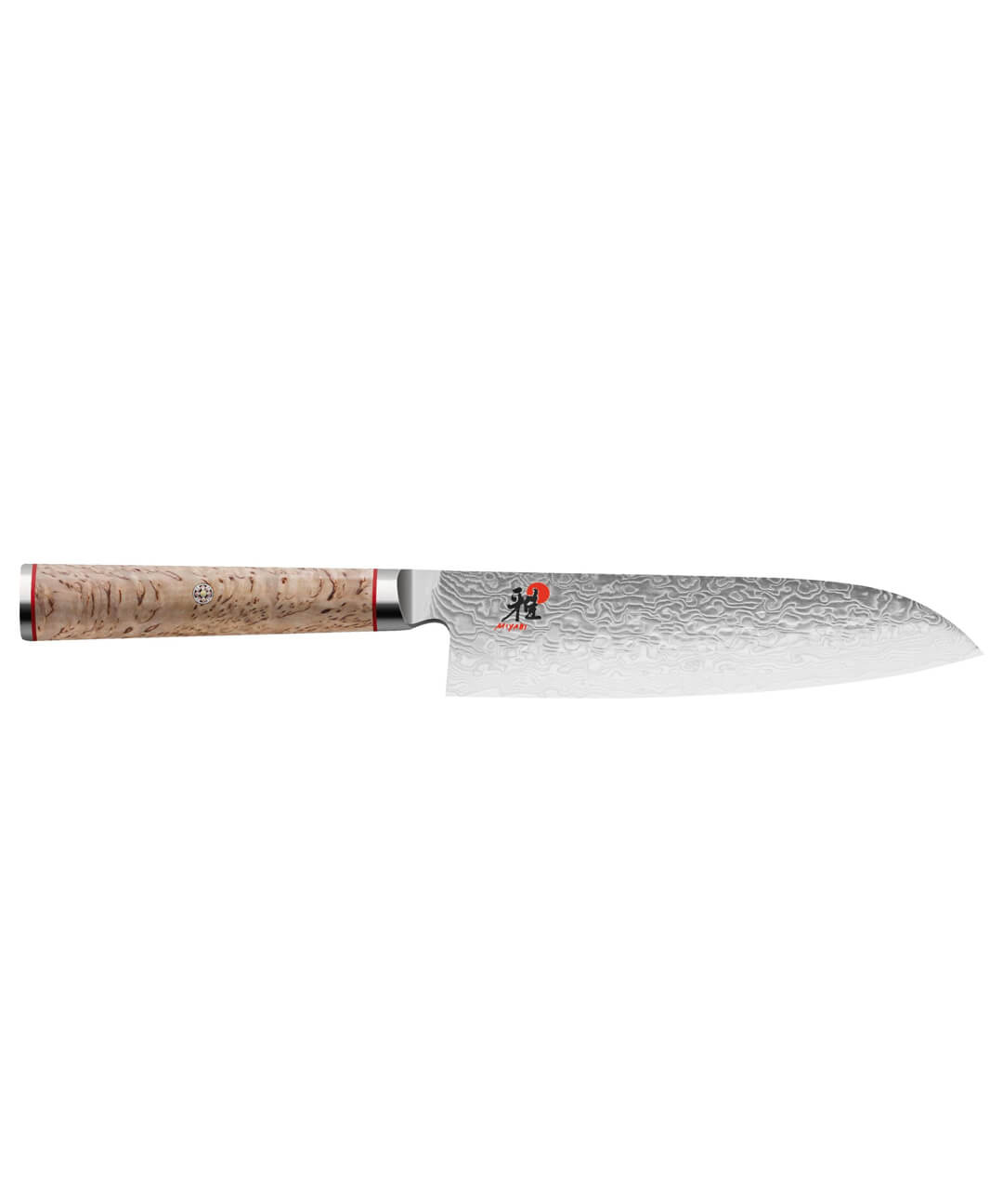
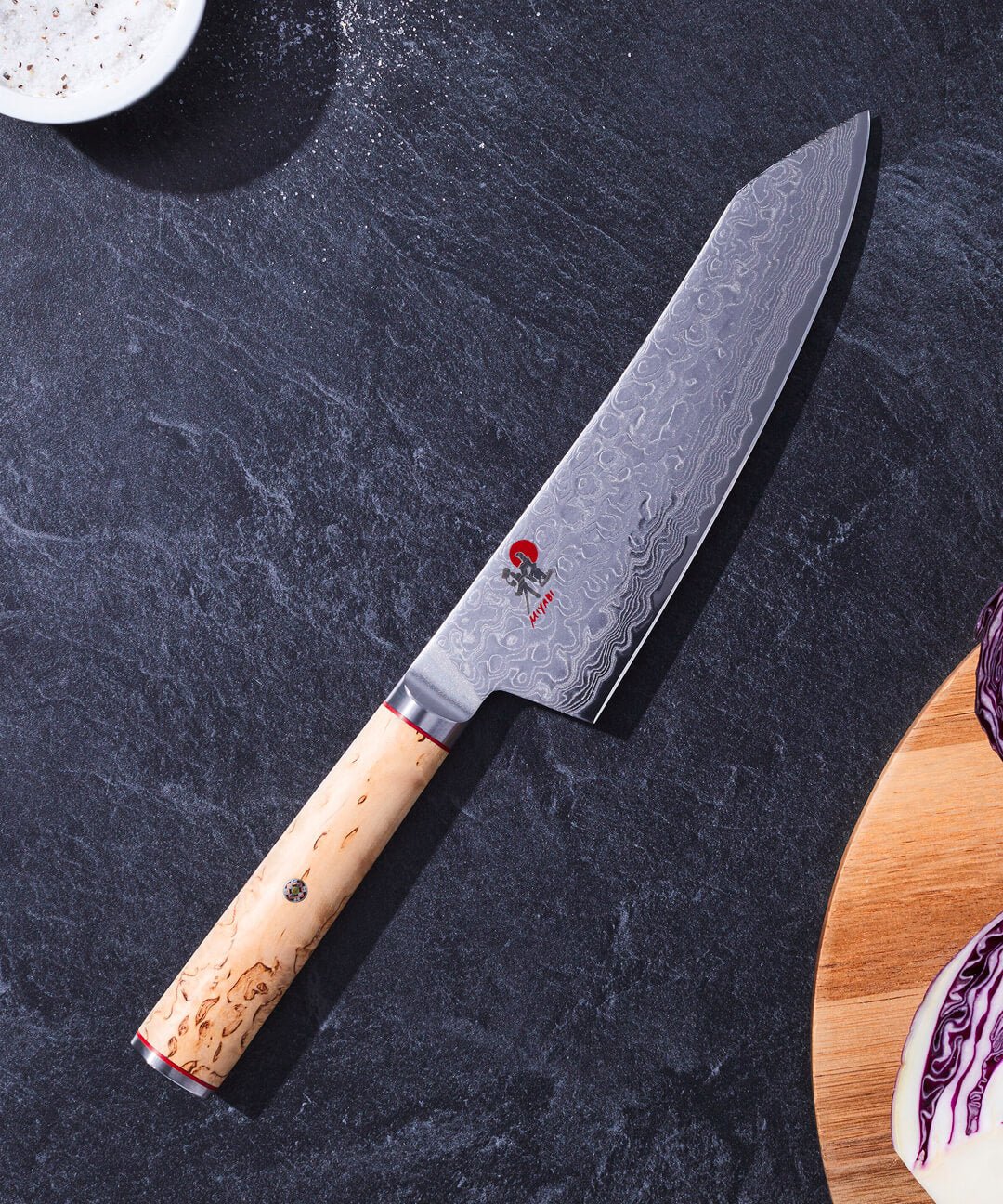
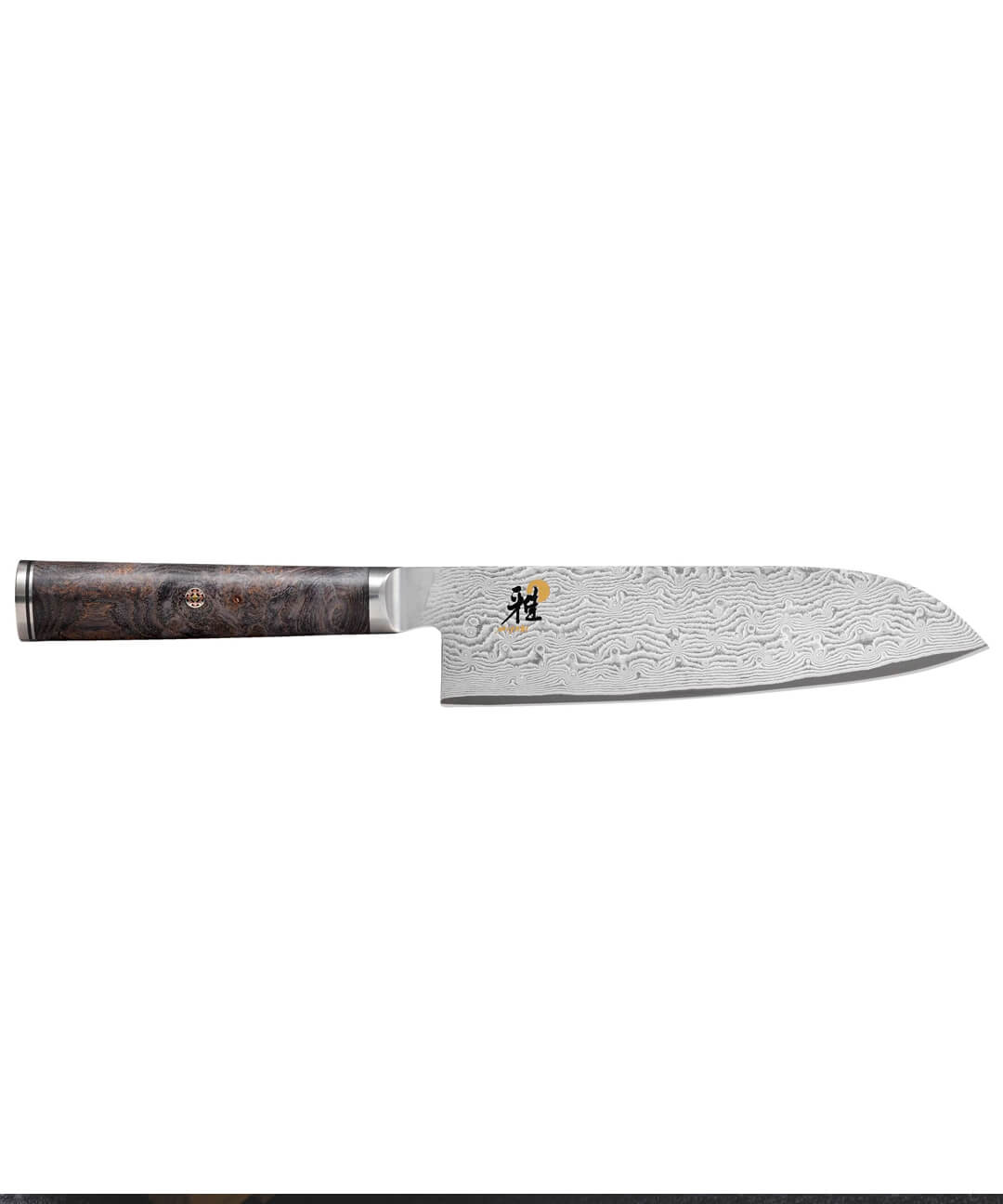
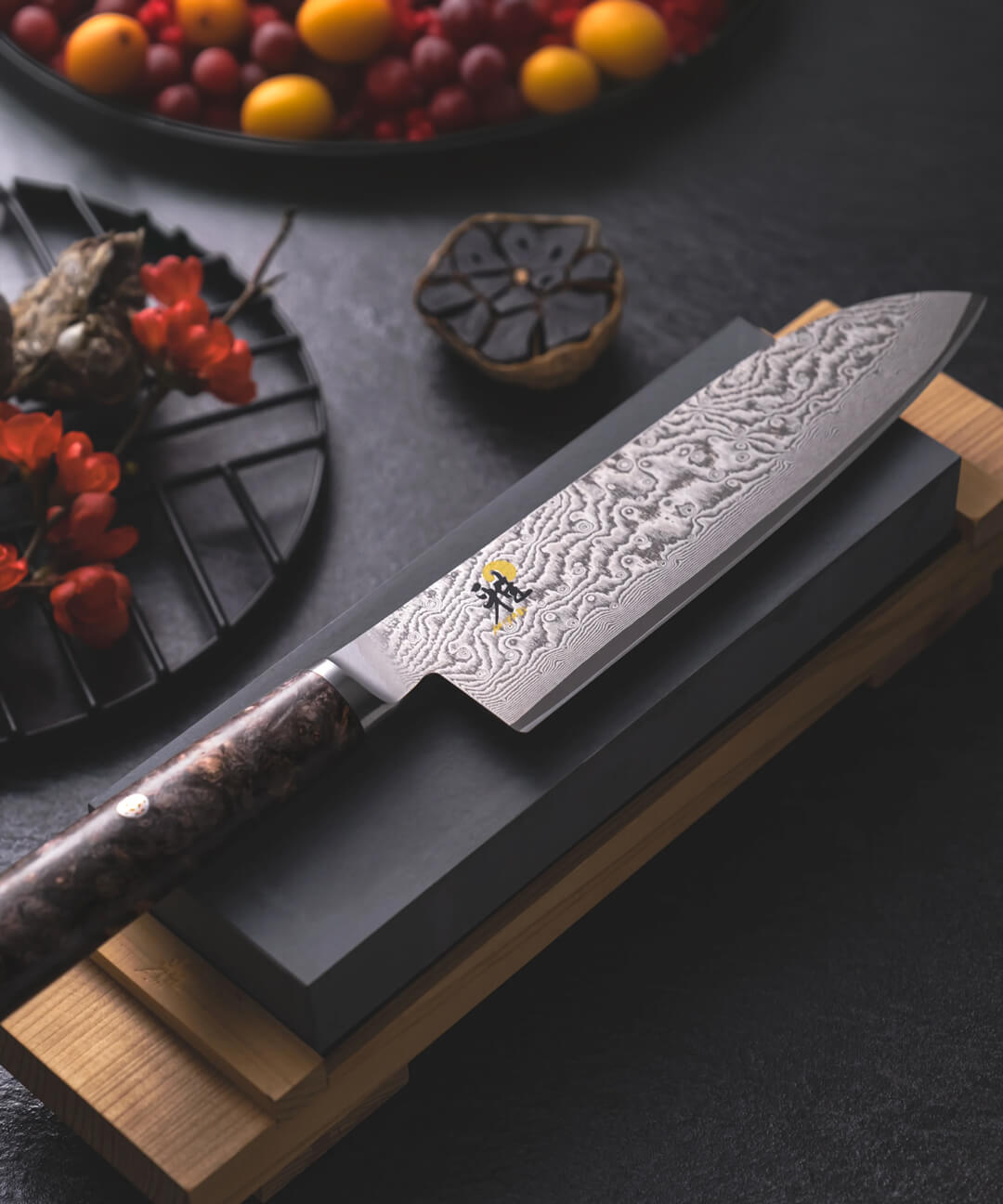
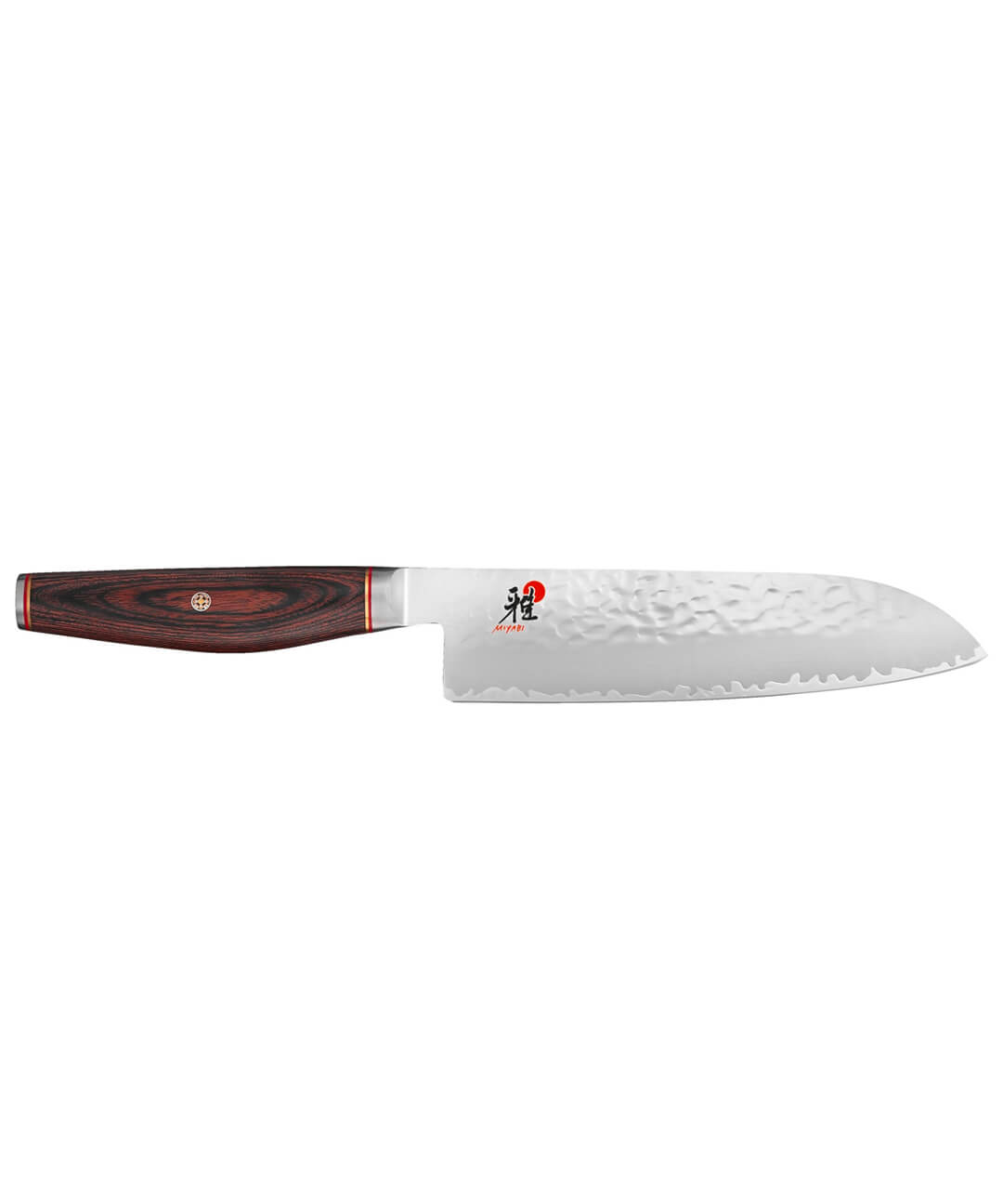
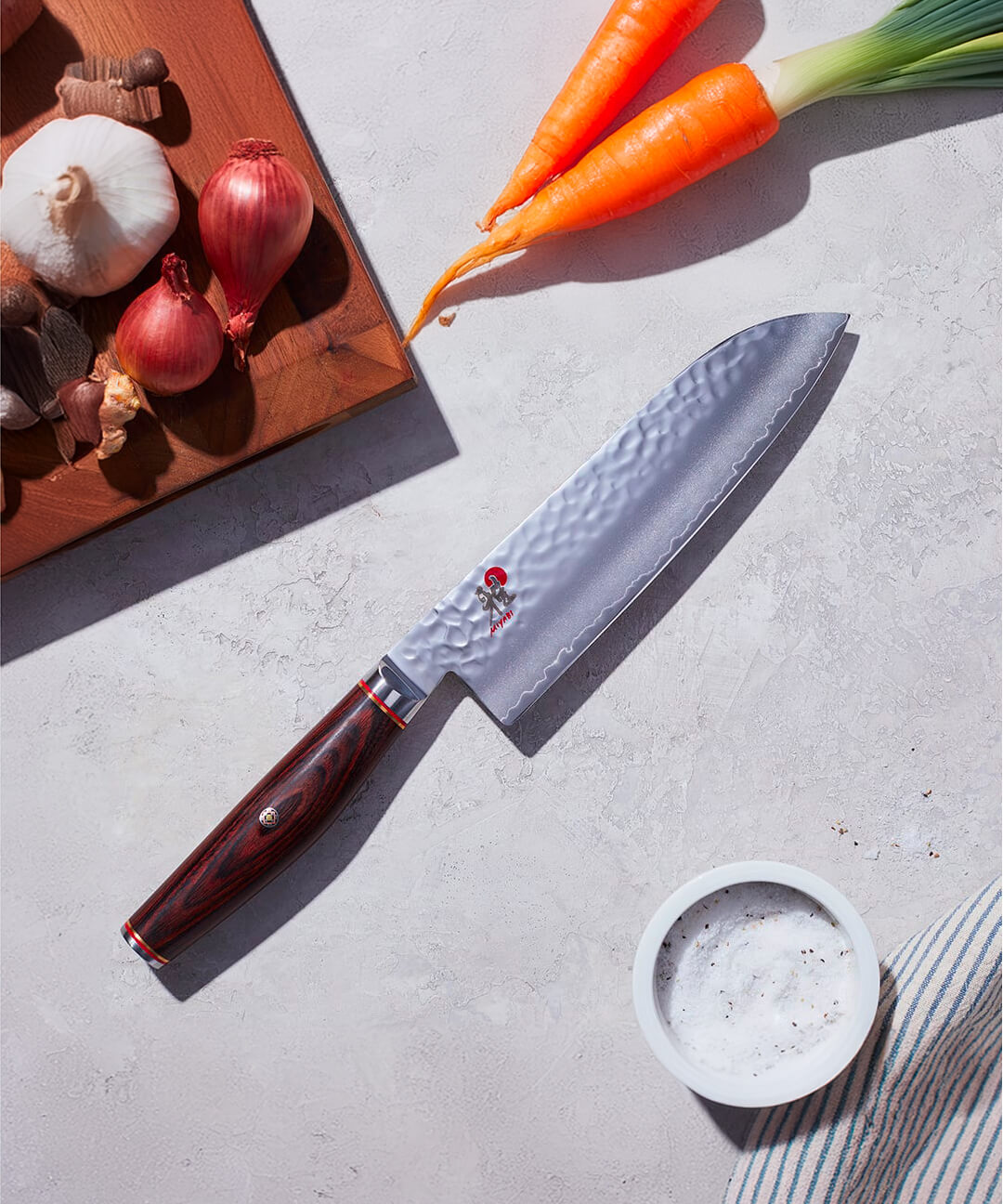
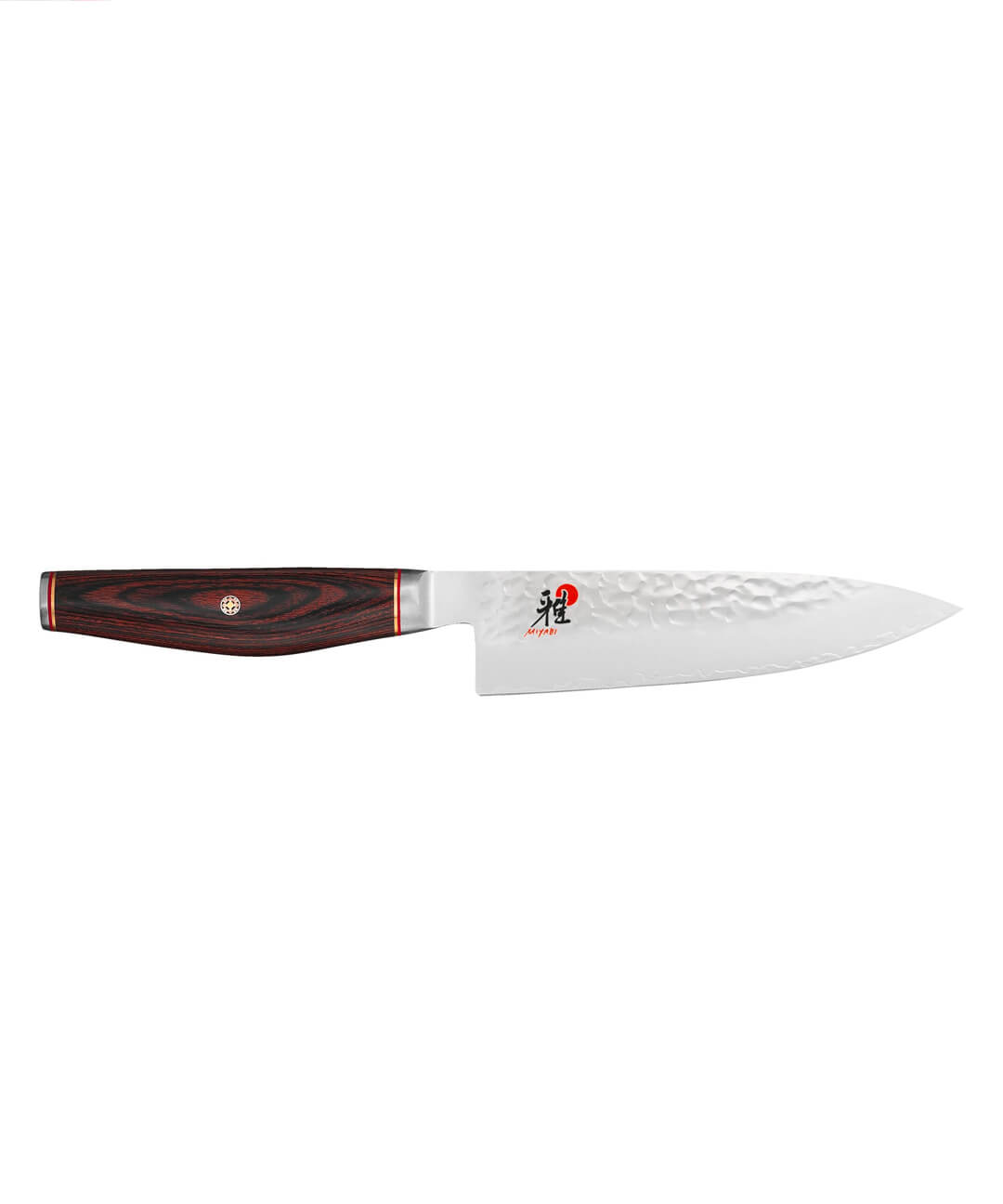
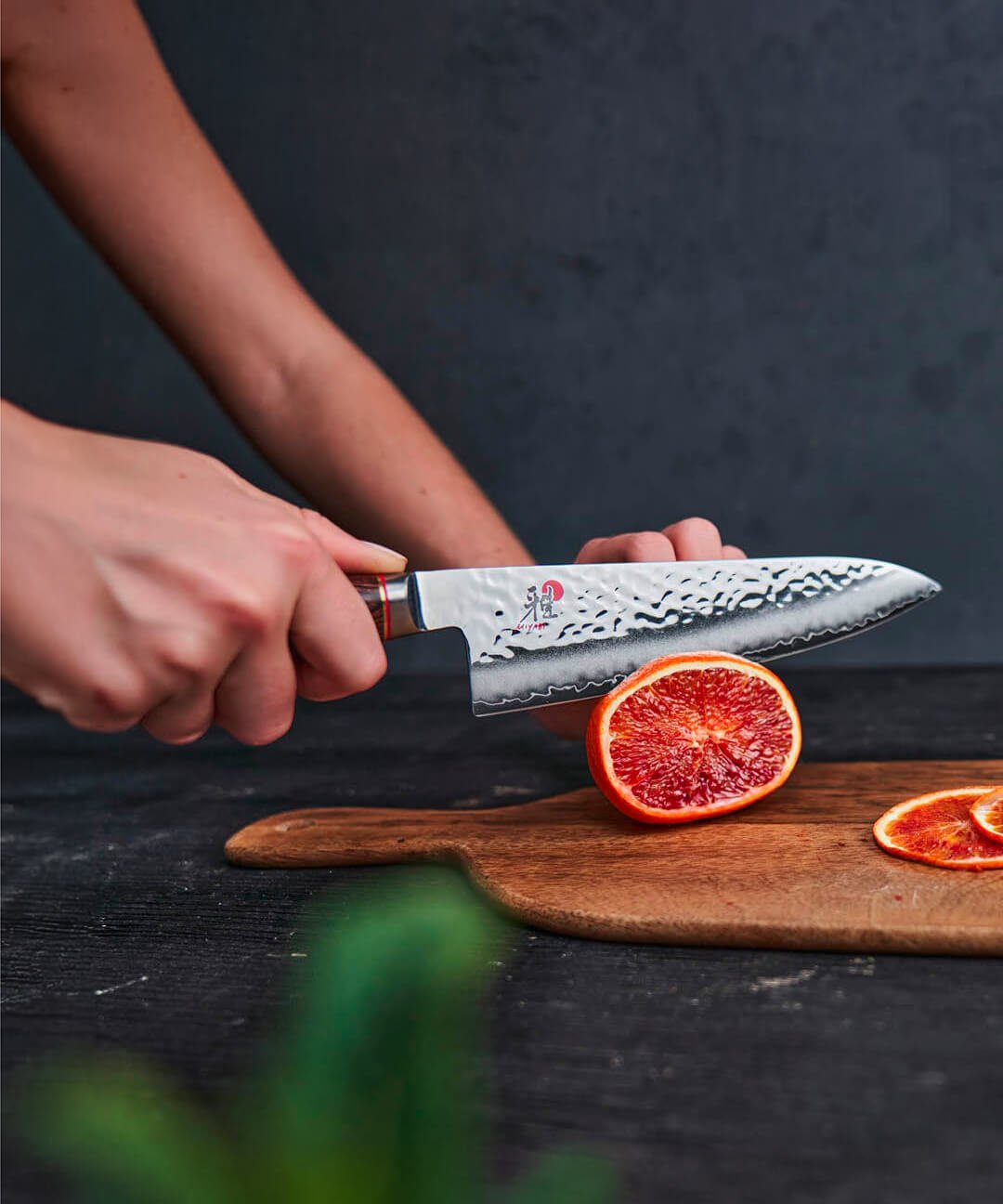
The best Santoku knives in 2025 is a common search when someone wants to buy, use or care for a Japanese knife with more confidence. This guide covers how to choose a balanced blade for vegetables, boneless meat and daily cooking, while keeping the page useful for readers rather than padded for search engines. A good purchase does not come from a ranking alone; it comes from matching real use, technical information and realistic care.
What to know about best Santoku knives 2025
The first step is to separate name, use and context. A good Santoku combines control, comfort and reasonable maintenance. That distinction prevents impulse purchases and also helps the piece last longer, because each steel, geometry or accessory asks for a different routine.
A specialist product page should explain dimensions, materials, maintenance and availability clearly. If an article covers a Japanese term or technique, it should give a complete answer: what it means, when it matters and what decision it helps the reader make.
How it applies in a real kitchen
Theory only matters when it improves daily prep. Think about what you cut most often, how much board space you have, whether you prefer a light blade or more presence, and how much time you want to spend sharpening. With that context, best Santoku knives 2025 becomes a buying or care criterion instead of a loose term.
Experience level matters too. Beginners usually benefit from a versatile piece that is easy to clean and simple to understand. More experienced cooks may enjoy reactive steels, thinner geometry or very specific tools, as long as the maintenance fits their habits.
Mistakes to avoid
The best piece depends on hand size, board and cutting style. It is also worth avoiding quick comparisons: a Japanese knife is not better because the name sounds complex, and a sharpening stone is not automatically better because the grit number is higher.
Another common mistake is choosing by appearance alone. Finishes, handle woods and steel patterns can be beautiful, but they should support a balanced tool. Useful information always answers a simple question: what will this improve in your kitchen, and what care does it ask for in return?
Buying and maintenance criteria
Before deciding, review three points: main use, maintenance and compatibility with your board or routine. If one of them does not fit, it is better to adjust the choice than force an excellent piece into the wrong context. That is the difference between buying on impulse and buying with judgment.
At Ryo Miura Japan we prioritize a clear reading of each piece: what it is, what it is for, how to care for it and who will enjoy it most. That way the content does more than rank; it helps make the purchase calmer, more precise and more honest.